
Quantum Zeitgeist Weekly Digest

Welcome to this week’s quantum technology digest! We’re tracking the rapidly evolving quantum landscape, bringing you the most impactful developments from the last seven days. This week’s selection showcases a particularly exciting surge in investment and infrastructure development in the United States, driven largely by the CHIPS and Science Act.
Notably, a significant portion of the news centres around substantial funding awards – totalling well over half a billion dollars – to companies like Rigetti, D-Wave, Quantinuum, Diraq, and Atom Computing. These investments aren’t just about research; they’re about establishing a fully domestic quantum hardware manufacturing ecosystem, from wafer fabrication with IBM and GlobalFoundries, to processor development with Diraq and Atom Computing. Beyond the financial influx, we also see exciting progress in qubit fidelity from IQM and a novel algorithmic breakthrough from IBM Quantum.
While the focus is decidedly on hardware and manufacturing this week, advancements also extend to accessibility with the launch of the first Quantum Computing-as-a-Service platform in the Middle East, courtesy of Aramco and Pasqal. This diverse range of progress underscores a dynamic period for quantum technology, moving from theoretical potential toward tangible realization.
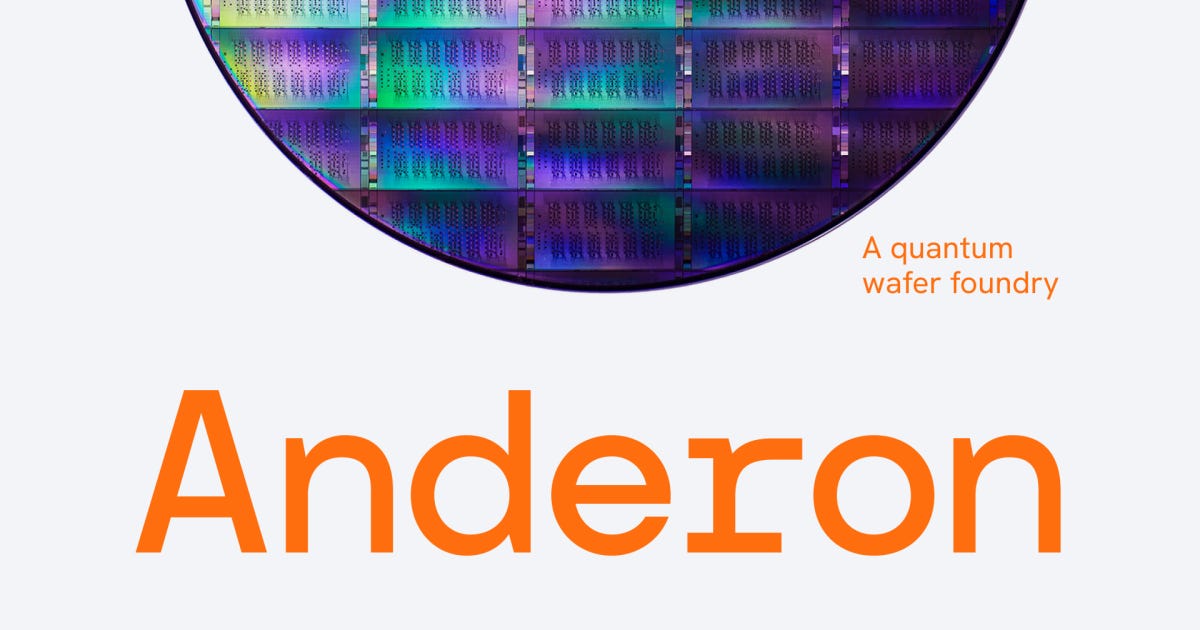
1. IBM & DoC Invest $2 Billion in New U.S. Quantum Wafer Foundry – Anderon
IBM and the U.S. Department of Commerce are partnering to establish Anderon, a new $2 billion quantum wafer foundry in Albany, New York. This initiative combines a $1 billion CHIPS Act incentive with a matching investment from IBM, leveraging their quantum technology and manufacturing expertise to produce 300-millimeter quantum wafers. Anderon aims to create a dedicated, scalable domestic supply chain for quantum chips, supporting both IBM and other quantum technology vendors and bolstering U.S. leadership in the rapidly growing quantum industry, potentially generating up to $850 billion in economic value.
2. Rigetti Secures $100M CHIPS Act Funding to Scale Quantum Computing
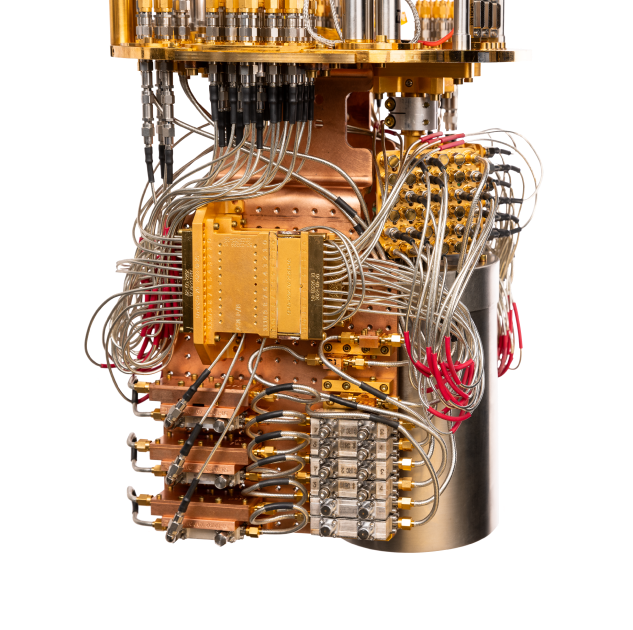
Rigetti Computing will receive up to $100 million in funding from the U.S. Department of Commerce, facilitated through the CHIPS Act, to advance research and development in superconducting quantum computing. This investment is unique as the Department of Commerce will also take an equity stake in Rigetti, signaling a long-term partnership focused on overcoming scaling challenges and bolstering U.S. leadership in the field. Rigetti’s chiplet-based approach and existing systems, like the 108-qubit Cepheus machine, position them to accelerate progress towards larger, more stable quantum computers with applications in national security, materials science, and beyond. This funding highlights a sustained commitment to quantum technology and its potential to drive American innovation.
3. IQM Achieves 99.9% Fidelity Across All Key Qubit Operations
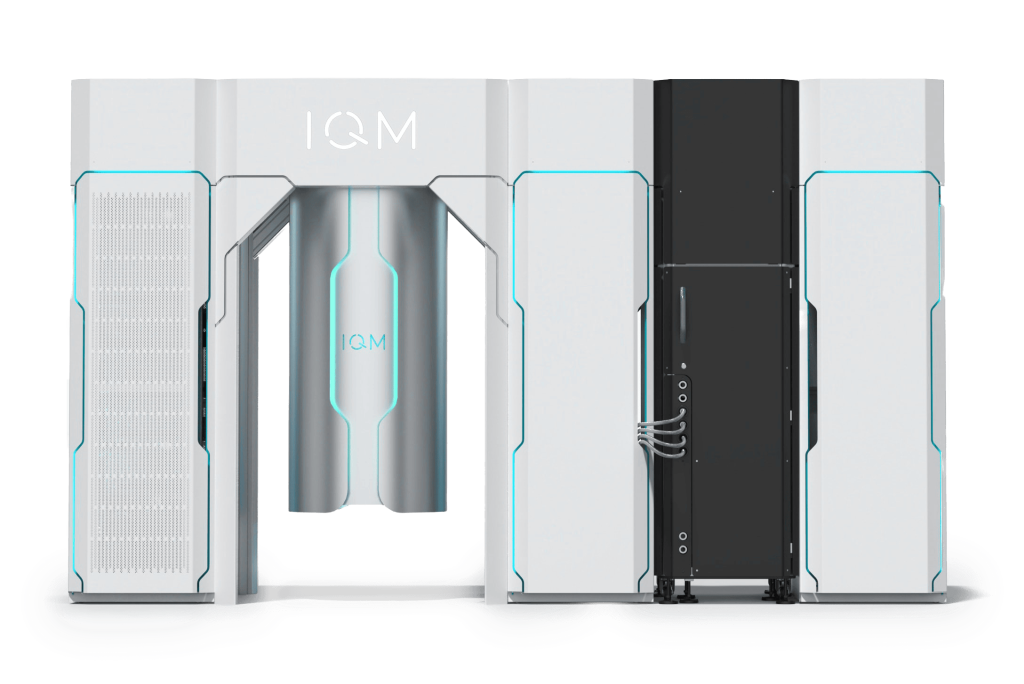
Researchers at IQM Quantum Computers in Finland and Germany have demonstrated over 99.9% fidelity across single-qubit gates, two-qubit gates, and qubit readout—all within a single superconducting device. This breakthrough was achieved through precise tuning of qubit-coupler coupling strengths and the implementation of a new calibration protocol, termed PALEA, which minimizes errors during two-qubit operations. The team’s holistic approach addresses a longstanding challenge in quantum computing—the trade-off between optimizing individual operations—and represents a significant step toward building scalable, fault-tolerant quantum processors capable of running complex algorithms.
4. U.S. Funds Quantinuum to Advance Trapped-Ion Quantum Computing & Semiconductor Supply Chains
Quantinuum has received a letter of intent for R&D funding from the U.S. Department of Commerce to tackle key challenges in scaling fault-tolerant trapped-ion quantum computers. This investment isn’t solely about quantum advancement; it’s strategically linked to strengthening the U.S. semiconductor supply chain through partnerships with domestic suppliers like GlobalFoundries and Monarch Quantum. Quantinuum will leverage its QCCD architecture and high-fidelity gate performance, while fostering a specialized quantum workforce, to accelerate the path towards utility-scale quantum computing and reinforce U.S. technological leadership.
5. Quantum Algorithm Efficiently Uncovers Hidden Graph Structures with Exponential Speedup
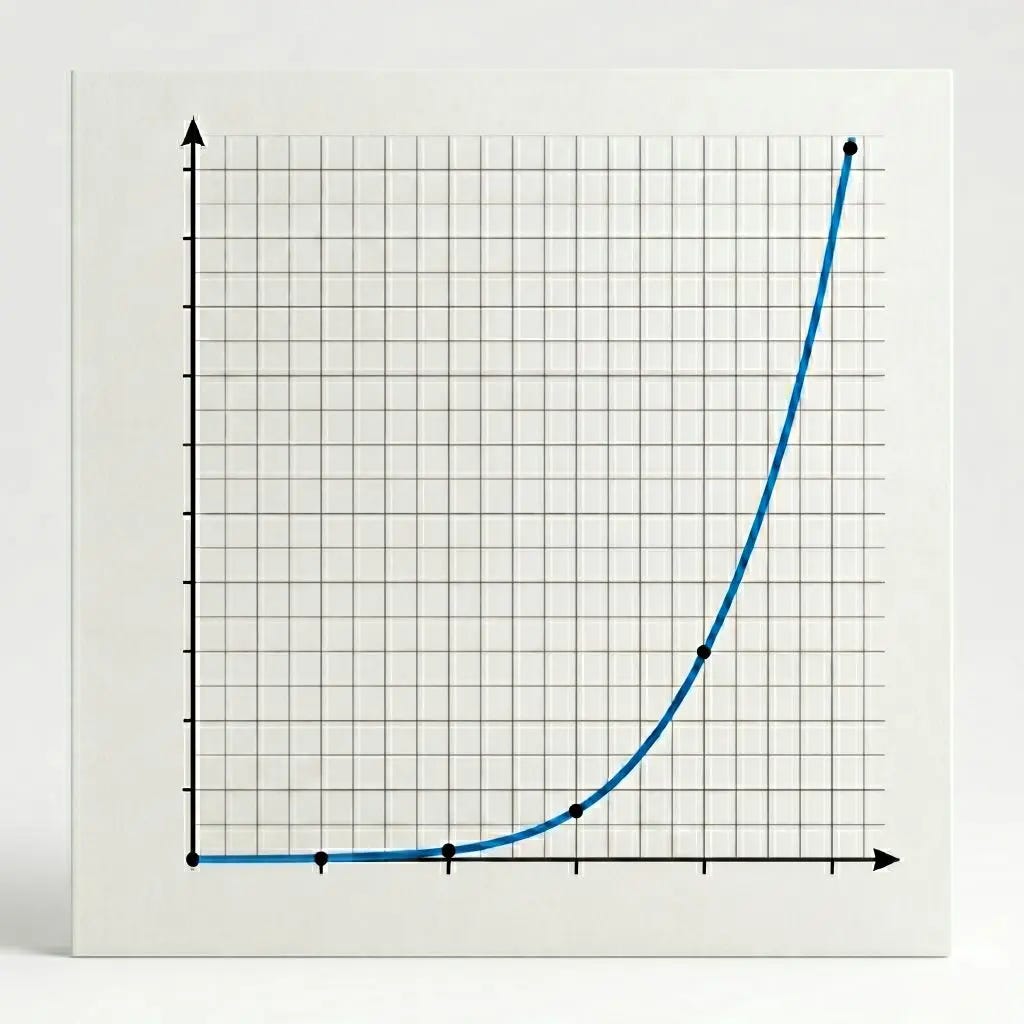
Researchers at IBM Quantum, led by Pawel Wocjan, have developed a quantum algorithm leveraging continuous-time quantum walks on “spired” graphs to identify hidden network structures—specifically distinguishing between prism and Möbius ladder graphs—with a complexity of approximately $\widetilde O(n^2/\log n)$. This approach bypasses traditional graph traversal methods by utilizing quantum superposition and spectral analysis, potentially achieving an exponential speedup over classical algorithms for this task, and successfully demonstrated identification on graphs with up to 10242 vertices. While currently limited to specific graph families, the findings suggest a powerful new avenue for tackling complex network analysis with implications for fields like cryptography and materials science.
6. GlobalFoundries Secures $375M to Build US Quantum Hardware Manufacturing
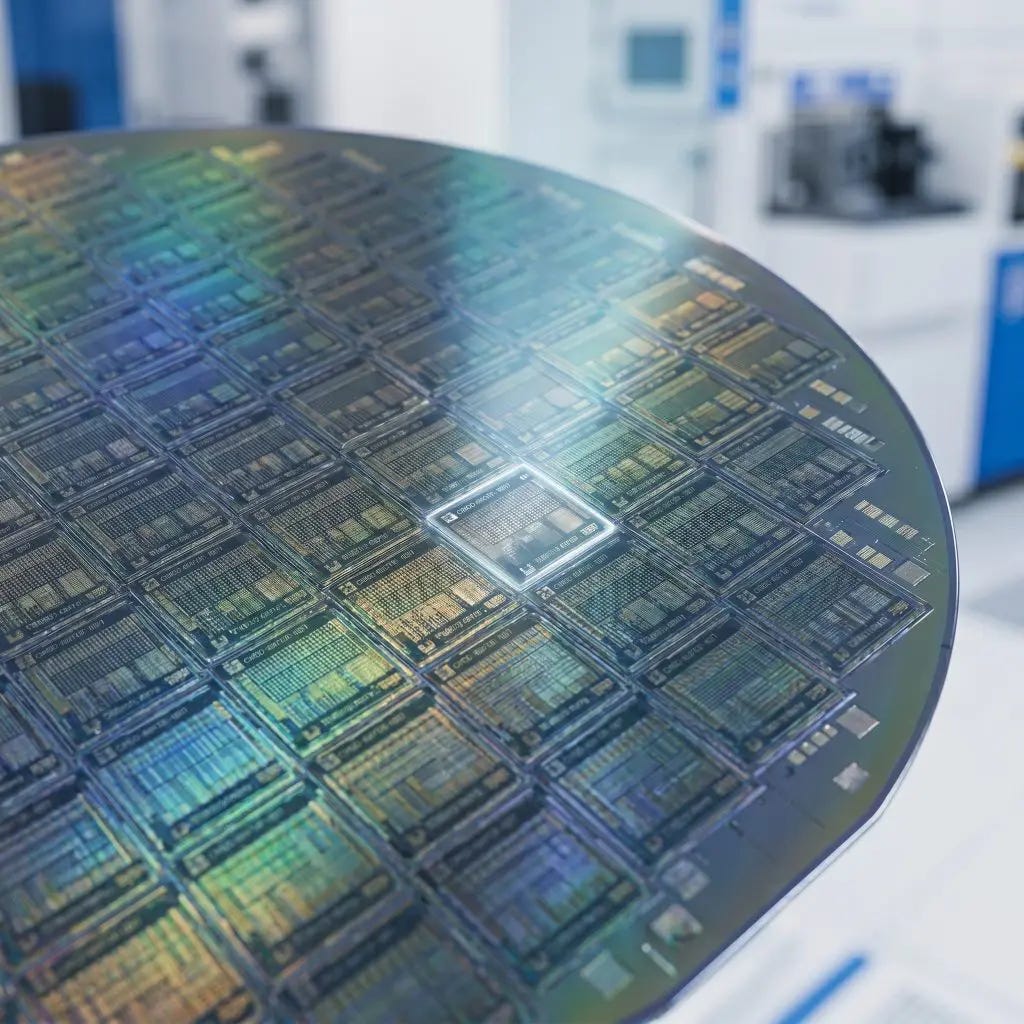
GlobalFoundries has received a $375 million letter of intent from the U.S. Department of Commerce to establish and scale its Quantum Technology Solutions business, aiming to create a fully domestic quantum hardware manufacturing capability. The company is uniquely positioned to produce the complete quantum hardware stack – from QPUs to interconnects – leveraging over a decade of experience in specialized semiconductor production and cryogenic CMOS technology. This investment highlights the national-security importance of a U.S.-based quantum supply chain and marks GlobalFoundries’ expansion into high-performance computing, supporting diverse qubit modalities and accelerating the transition from lab-scale to industrial quantum systems. The Department of Commerce will also take a strategic equity investment in GF, representing approximately one percent ownership.
7. Aramco & Pasqal Launch Middle East’s First Quantum Computing as a Service
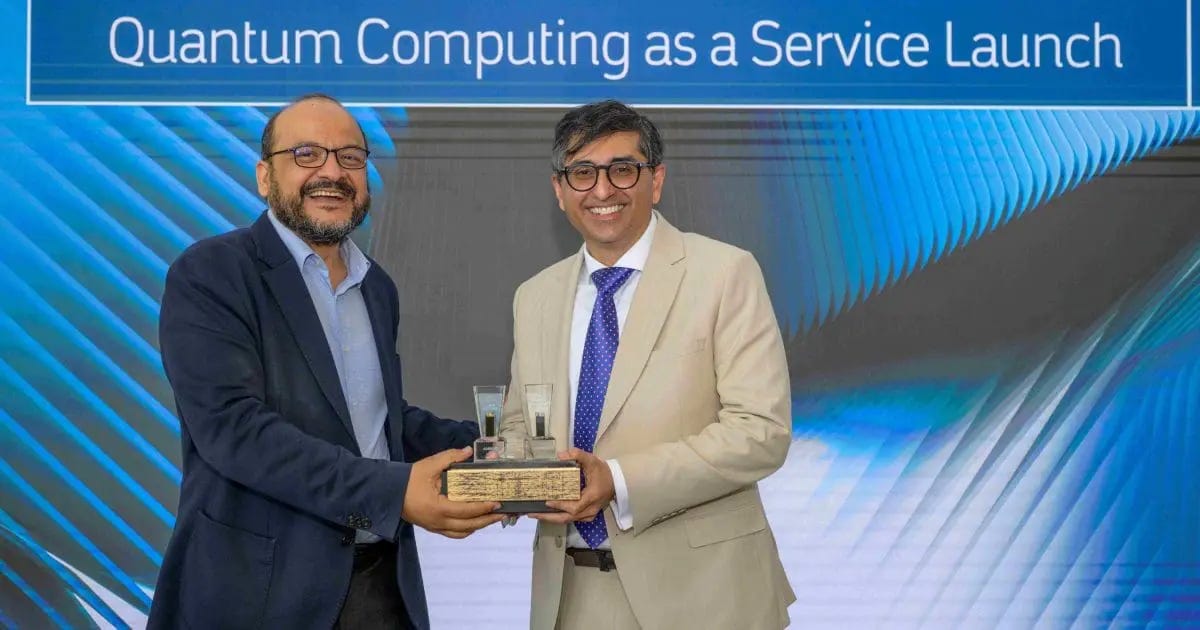
Aramco and Pasqal have jointly launched the first quantum computer in Saudi Arabia and the Middle East’s inaugural Quantum Computing as a Service (QCaaS) platform. Located in Dhahran, this system provides global, low-latency cloud access to a 200-qubit neutral atom quantum processing unit (QPU) initially activated in November, and aims to accelerate quantum application development in energy, materials science, and industry. Beyond internal Aramco use – focusing on areas like port logistics and carbon capture – the platform will democratize access for research institutions and companies seeking to explore quantum solutions, fostering a regional quantum ecosystem. This partnership signifies a move from theoretical research to practical application and establishes Saudi Arabia as a regional hub for quantum innovation.
8. D-Wave Receives $100M CHIPS Act Funding to Scale Quantum Computing Efforts
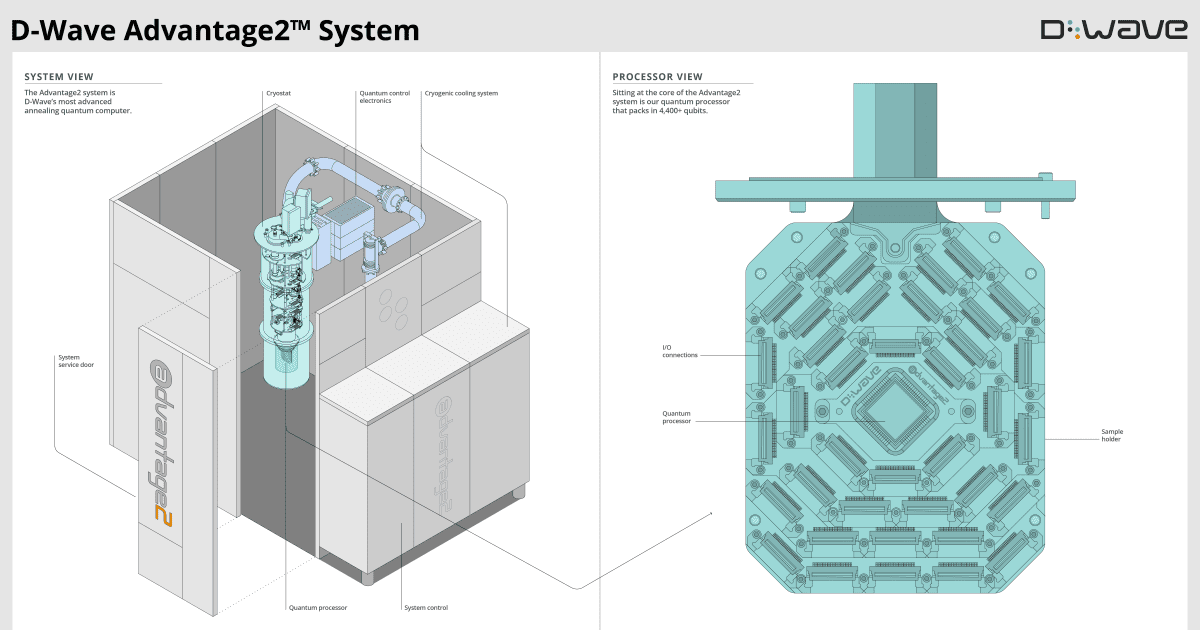
D-Wave Quantum has secured $100 million in funding from the U.S. Department of Commerce through the CHIPS and Science Act, exchanging the funds for shares of common stock. This investment recognizes D-Wave’s unique position as the only quantum computing company developing both annealing and gate-model systems – technologies deemed crucial for U.S. national security and supply chain resilience. The funding will accelerate the development of both a 100,000-qubit annealing system and a 10,000-qubit gate-model system, aiming to bolster a domestic quantum computing ecosystem and drive advancements in fields like materials science and AI.
9. Diraq Secures $38M to Advance US-Made Silicon Quantum Processors
Diraq has received a Letter of Intent for $38 million in funding from the U.S. Department of Commerce through the CHIPS Act to scale production of its silicon-based quantum processors. Leveraging silicon spin technology and existing CMOS manufacturing, Diraq aims to create a more economical and scalable path towards utility-scale quantum computing, targeting less than $1 per qubit. This investment builds on 25 years of prior U.S. government support and aims to establish a fully domestic quantum supply chain, with GlobalFoundries as a key manufacturing partner, bolstering U.S. leadership in this critical technology.
10. Atom Computing Secures $100M to Advance Fault-Tolerant Quantum Computing

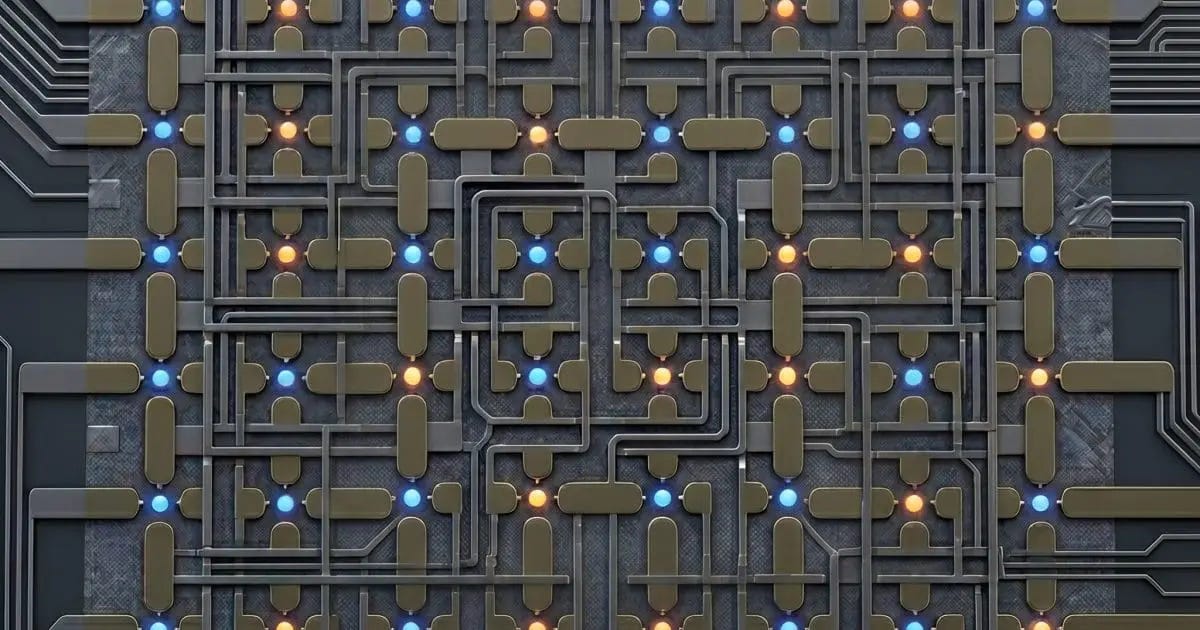
Atom Computing has received a $100 million investment from the U.S. Department of Commerce to accelerate the development of fault-tolerant, utility-scale quantum computers based on arrays of optically-trapped neutral atoms. This significant funding underscores government confidence in Atom Computing’s approach, which is seen as highly scalable and commercially viable compared to other quantum computing methods. The company is already demonstrating progress through DARPA’s Quantum Benchmarking Initiative and plans to use the funds to strengthen its supply chain, develop critical components, and speed up the path to practical quantum utility. Investors believe this investment will rapidly advance Atom Computing’s roadmap and establish it as a leader in the burgeoning quantum technology landscape.